- The Middle Path
- Posts
- The Middle Path #1 - Riba: UK Homes and Islamic Finance
The Middle Path #1 - Riba: UK Homes and Islamic Finance
Navigating the UK's Islamic Finance

The Middle Path
10 Oct • Estimated Reading Time: 9 minutes
Assalamu'alaikum / Hello,
The Middle Path’s First Edition!
Our newsletter aims to bridge the gap between work and religion for the Muslim community in the UK. We're here to bring you insightful perspectives on current events, economic trends, and inspiring stories that resonate with our faith and values.
Each week, we'll explore topics that matter to you, from the latest in education and technology to achievements set out by the trailblazers within our community and throughout history. Inspired by Islam's rich history of knowledge and innovation, we seek to empower students and working professionals with information that enriches their personal and professional lives.
Join us as we navigate the modern landscape together, drawing lessons from our Islamic past while looking toward a brighter future.
1. Bank of England Holds Interest (Riba) rates at 5% - Now what?
As the UK grapples with a housing crisis marked by skyrocketing prices and soaring interest rates, many potential homeowners—especially in the Muslim community—are facing a daunting reality. The recent high interest rate held at 5% by the Bank of England pushes traditional mortgages further out of reach, discouraging many. This situation is not just a financial challenge; it’s a significant barrier to building a secure future.
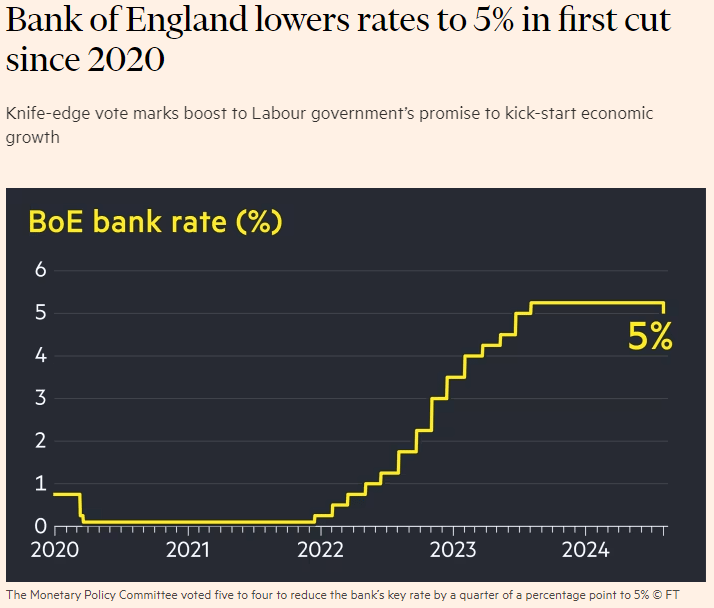
The stakes are high for prospective homeowners, especially those adhering to Islamic principles. The prohibition of riba (interest) in Islam means that many Muslims are left with limited options, and the current economic landscape is making those options even harder to navigate. Traditional financing methods, which often come with high-interest payments, are simply not viable for those committed to their faith.
But it’s not all doom and gloom. The rise of Islamic finance offers a beacon of hope, with innovative solutions designed to align with Shariah principles. As we explore the challenges, let’s also consider the opportunities that lie ahead...
Could the current climate spur a new wave of Islamic financial products that meet the community's needs?
Will this push for ethical finance help redefine how we approach homeownership in the UK?
Nevertheless, we’ll delve into the latest on homeownership within the Muslim community, examine the impact of rising interest rates, and highlight success stories that inspire us to rethink our approach to financial challenges.
2. Did you know?
The Quran and Hadith emphasize the harmful effects of Riba on individuals and society, promoting fairness and justice in financial transactions. The prohibition of Riba (usury or interest) is a significant aspect of Islamic finance. The historical context of this prohibition can be traced back to the early days of Islam in the 7th century.
One of the key Quranic verses addressing Riba is:
"الَّذِينَ يَأْكُلُونَ الرِّبَا لَا يَقُومُونَ إِلَّا كَمَا يَقُومُ الَّذِي يَأْكُلُهُ إِلَّا مَسَّةٌ مِّنْهُ ۚ ذَٰلِكَ بِأَنَّهُمْ قَالُوا إِنَّمَا الْبَيْعُ مِثْلُ الرِّبَا ۗ وَأَحَلَّ اللَّهُ الْبَيْعَ وَحَرَّمَ الرِّبَا ۗ فَمَن جَاءَهُ مَوْعِظَةٌ مِّن رَّبِّهِ فَانْتَهَى فَلَهُ مَا سَلَفَ وَأَمْرُهُ إِلَى اللَّهِ ۖ وَمَن عَادَ فَأُولَـٰئِكَ أَصْحَابُ النَّارِ هُمْ فِيهَا خَالِدُونَ"
"Those who consume interest cannot stand on the Day of Resurrection except as one stands who is being beaten by Satan into insanity. That is because they say, 'Trade is just like interest.' But Allah has permitted trade and has forbidden interest.
So whoever has received an admonition from his Lord and desists may have what is past, and his affair rests with Allah. But whoever returns to [dealing in interest or usury or the like] - those are the companions of the Fire; they will abide therein eternally."
In the context of early Islamic society, the practice of Riba was prevalent in pre-Islamic Arabia, where moneylenders would charge exorbitant interest rates, leading to the exploitation of the poor and vulnerable. The Prophet Muhammad (PBUH) emphasized fairness and justice in financial dealings, advocating for a system that would protect the rights of all individuals.
A notable historical figure related to the prohibition of Riba is Abu Bakr, the first caliph after the death of the Prophet Muhammad (PBUH). He upheld the principles of Islam, including the prohibition of Riba, and worked to establish a just economic system based on Islamic teachings.
This verse highlights the seriousness of engaging in Riba and the collective responsibility of the community to uphold the prohibition. The principle of avoiding Riba is reflected in the development of Sharia-compliant financial products, such as Murabaha (cost-plus financing) and Ijara (leasing), which do not involve interest. These products promote ethical investing and financial practices that align with Islamic values.
A commonly sought-out option is Murabaha, a cost-plus financing arrangement. In this model:
The bank purchases an asset—such as a home or a car—and then sells it to the buyer at a marked-up price, allowing the buyer to pay in instalments.
This arrangement ensures that the transaction remains interest-free while providing the buyer immediate access to the asset.
For example, if a family wishes to buy a home valued at £300,000, the Islamic bank might purchase the property and then sell it to them for £350,000, allowing for payments over a set period. This method not only aligns with Islamic principles but also fosters a sense of partnership between the bank and the client.
Though there are differing views when it comes to dealing with Riba in certain situations in the West, individuals need to consult with knowledgeable Islamic scholars or financial advisors who specialize in Islamic finance to understand the best course of action based on their specific circumstances. The team over at IFG (Islamic Finance Guru) is a great place to start learning more in the space!
3. UK Muslim Homeownership vs others
As of March 2024, 50% of UK adults have become homeowners: 28% of them now fully own their homes, having either paid off their mortgage or bought outright.
The study shows striking differences in homeownership rates across religious communities:
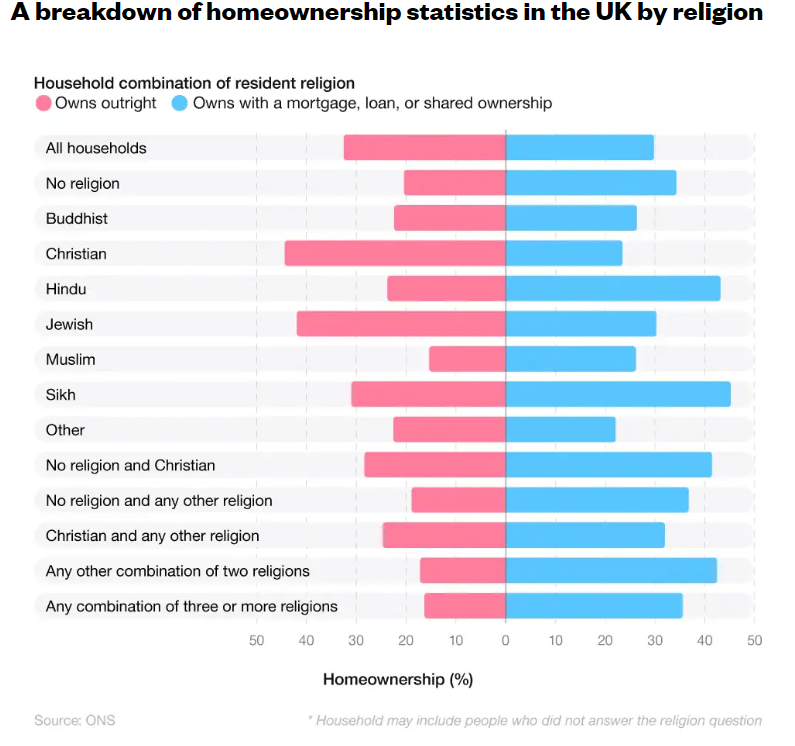
76% of the British Sikh community own homes—the highest rate across all religions—with over 30% owning property outright.
64% of British Christians own property, with over 40% holding full ownership outright.
In contrast, 41% of British Muslims own homes, (the lowest homeownership rate), and only 15% own without a mortgage, loan or in shared ownership.
This disparity can be linked to the Islamic prohibition of riba (interest). Under Shariah law, engaging in transactions that involve riba is considered haram (forbidden), as it is seen as exploitative and unjust. Historically, this concept goes back to the Prophet Muhammad (PBUH), who condemned usury, emphasizing fairness and equity in financial dealings.
In a Hadith, the Prophet Muhammad (PBUH) stated:
As narrated in Sahih Muslim, the Prophet declared, ‘May Allah curse the one who accepts riba, the one who gives it, the one who records it, and the two witnesses to it'
As traditional mortgages involve paying interest, many Muslims prefer to avoid them, even if that limits their access to homeownership. While Islamic mortgage products exist, they sometimes come with higher costs or stricter conditions, which further complicates the path to homeownership for British Muslims, but we can hope for a clearer future.
Research Source: USwitch
Hadith Source: Sahih Muslim 1598
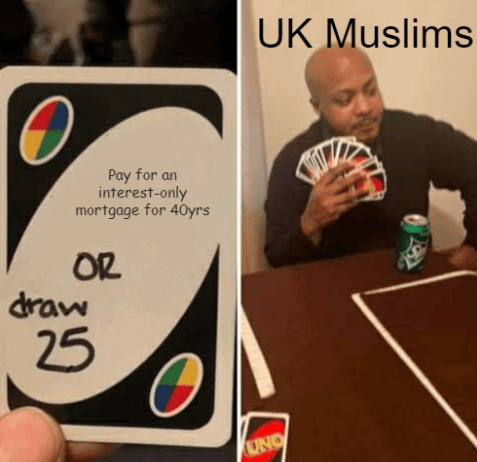
UK Muslims be like
4. SAEEDAH HAQUE → Highlight of the Week
In this section of the newsletter, every week we aim to celebrate inspiring achievements and contributions from the Muslim community, showcasing how faith and determination can lead to positive change and serve as motivation for others.
Saeedah Haque: North-London made Modest Streetwear Abayas
This week’s highlight is Saeedah Haque, a 23-year-old British Bengali self-taught designer blending streetwear with abayas in a fresh and practical way. Her label stands out in the modest fashion scene by offering oversized styles with modern touches like pockets and zips—perfect for everyday wear.
Frustrated by the lack of abayas that fit her personal style and needs, Saeedah created her own line, proving that modest fashion can be both trendy and functional.
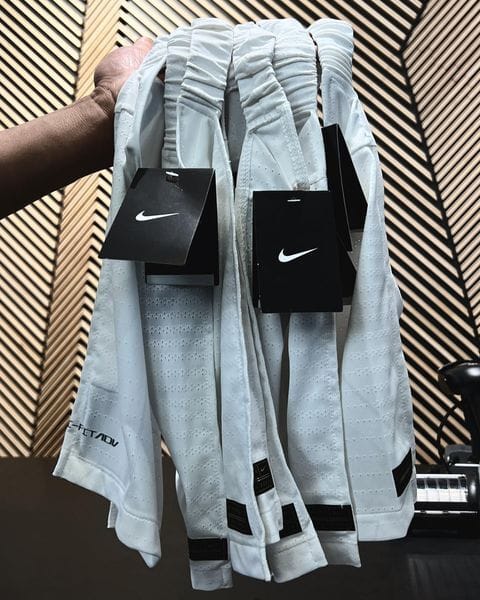
In 2024, she signed an official partnership with Nike to make their first 'Pro Niqab' (see below) and was recognised by Forbes, in their '30 under 30' list!

"And whoever fears Allah – He will make for him a way out, and will provide for him from where he does not expect."
This verse reminds us that by staying grounded in faith and trusting in Allah, opportunities will arise in ways we may not foresee. Saeedah’s success is a testament to how maintaining modesty and adhering to Islamic principles can lead to unexpected achievements and recognition.
And that’s that! We hope this short 5-8 minute newsletter (every Jummah) will help you become more knowledgeable about current worldly affairs with a snippet of Islamic history, whilst giving out a burst of Muslim-positive energy!
We love learning and hope you do too. May Allah reward all of our efforts.
From The Middle Path team,
Assalamu'alaikum / Goodbye!