- The Middle Path
- Posts
- The Middle Path #7 – Calligraphy: Ink of the Divine 🖋️✨
The Middle Path #7 – Calligraphy: Ink of the Divine 🖋️✨
Discover the sacred art of Arabic script.

The Middle Path
06 Dec • Estimated Reading Time: 5 minutes
Assalamu'alaikum / Hello,
Welcome to the 7th edition of The Middle Path! Each newsletter explores topics related to Islamic history, news, and culture, bridging the past with the present. This week, we celebrate Arabic Calligraphy, an art form that intertwines beauty, devotion, and the written word.
1. Did You Know? – The Art of Calligraphy 🖌️
Arabic calligraphy is more than writing—it's a spiritual expression of reverence for Allah. This art form grew alongside Islam, emphasizing the beauty of the Qur'an and spreading its teachings.
A Glimpse Into History: The Blue Qur'an 💙
One of the earliest masterpieces of Arabic calligraphy is the Blue Qur'an, a 9th-century North African treasure.
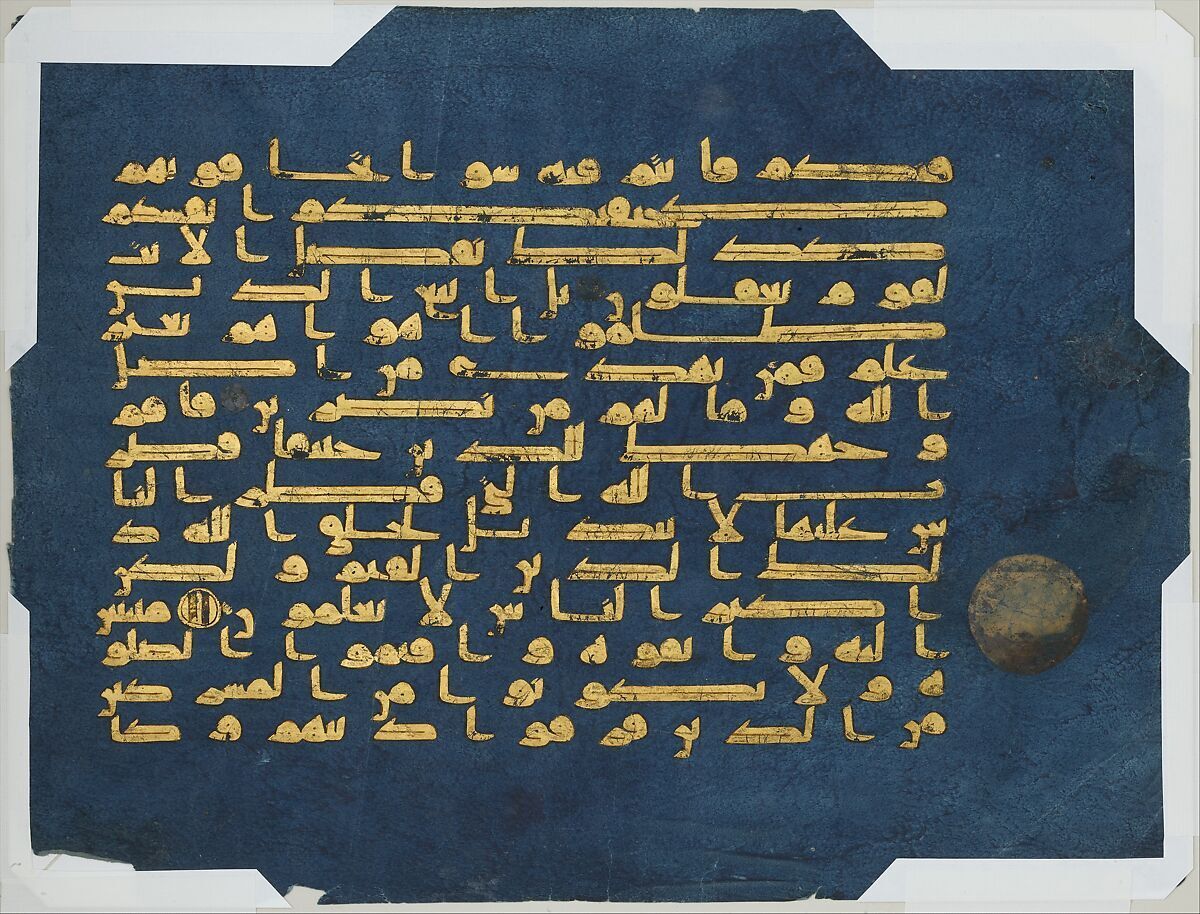
Folio from the "Blue Qur'an" - second half of the 9th–mid-10th century.
Here's why it's so iconic:
Gold Meets Indigo: Its text, written in dazzling gold ink on deep blue-dyed parchment, symbolizes the celestial and the divine.
Kufic Script: Using a bold, geometric font, the manuscript reflects precision and artistry.
Cultural Fusion: Influenced by Byzantine and Islamic aesthetics, it exemplifies the blending of traditions during the Islamic Golden Age.
How Calligraphy Became Sacred
Preserving Revelation: The Qur’an’s verses were first memorized but soon recorded, inspiring calligraphy, to honour Allah’s words.
Prohibition of Figurative Art: In Islamic tradition, avoiding imagery led to a focus on words as the ultimate form of beauty.
Styles Through the Ages: From Kufic to Thuluth, styles developed as rulers and artists competed to glorify Allah’s message.
In the UK:
Birmingham has fragments from one of the oldest Qur’ans in the world! What was startling about the Birmingham discovery was its early date, with radiocarbon testing putting it between 568 and 645 - the latest date in the range is 13 years after the death of our beloved Prophet in 632.
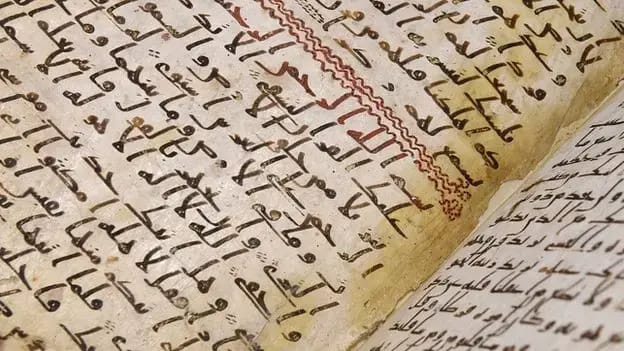
BBC: The text of the Koran has remained unchanged since this very early version in Birmingham.
"We have sent it down as an Arabic Qur'an, in order that you may understand."
This verse reminds us of the importance of the Arabic language in understanding divine guidance, with calligraphy elevating its visual beauty.
2. Modern Reflections – Calligraphy in Today’s World 📱
Arabic calligraphy has transcended manuscripts, finding new relevance in the digital and global age:
Where Tradition Meets Innovation
Street Art Revival: Artists like eL Seed transform walls into stunning murals, blending calligraphy with social messages.
Digital Renaissance and Fashion Arabic fonts, large designer brands and calligraphy NFTs are gaining popularity, showcasing how Islamic art evolves with technology.
The Numbers Speak
📊 80% of global calligraphy workshops in 2023 had participants under 35, indicating a youthful resurgence of interest.
💸 The Islamic art market grew by 25% last year, with calligraphy pieces among the highest-valued items.
“The Messenger of Allah (sallallahu ‘alayhi wa sallam) said:
“Verily, Allah is beautiful and He loves beauty. He loves the loftiest of affairs and disapproves of pettiness.”
Calligraphy’s beauty reflects this divine attribute, inspiring both creators and admirers.
3. Meme of the Week 😂
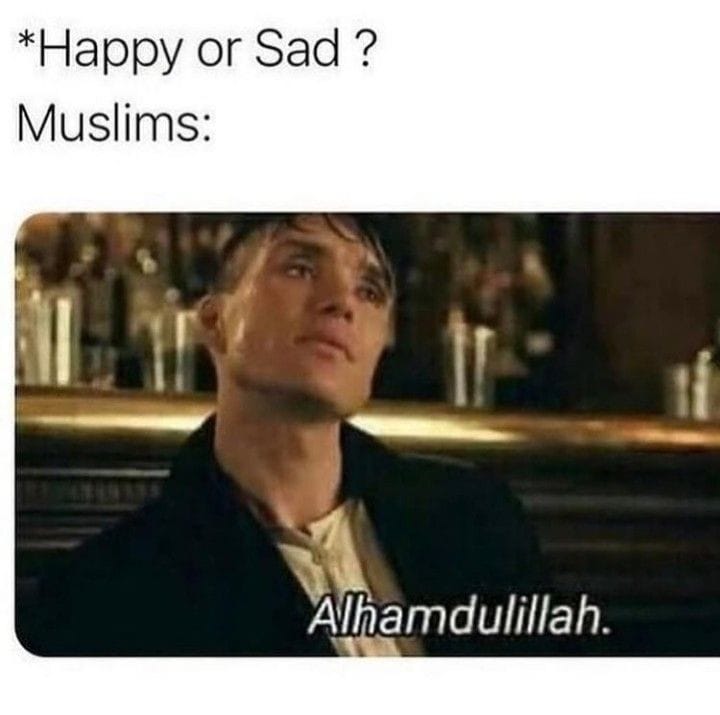
Who knew Birmingham had such a rich history in Islam?
4. Highlight of the week - Sultan Abdulmecid I: The Calligraphy Patron 🖋️
The Sultan Who Elevated Islamic Art
Sultan Abdulmecid I of the Ottoman Empire (1839–1861) was more than a ruler - he was a devoted patron of Arabic calligraphy.
🌟 His Contributions:
A Revival of Styles: Abdulmecid helped standardize the Naskh script, used widely for copying the Qur’an.
Calligraphy Schools: Under his reign, formal calligraphy education flourished, inspiring a new generation of master scribes.
A Legacy of Beauty: Many mosques he commissioned, like the Dolmabahçe Mosque, feature stunning calligraphic adornments.
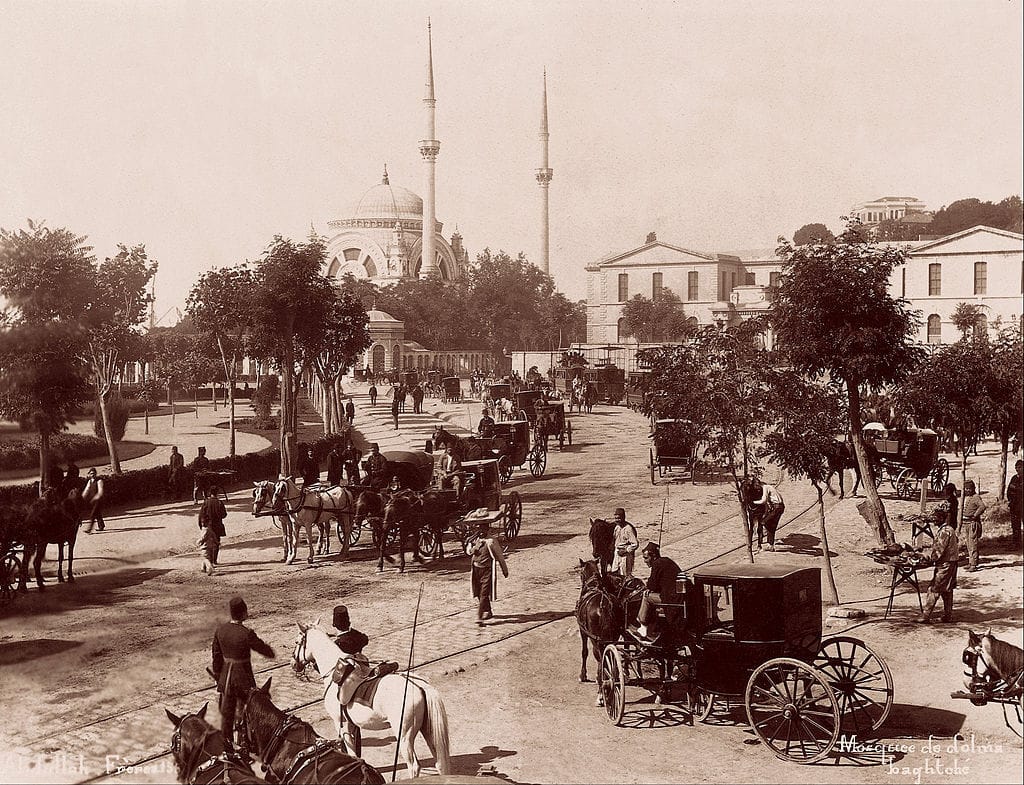
A late 19th-century photograph of the mosque by the Abdullah Brothers:
The Dolmabahce Palace was home to the Ottoman crown and the official residence of the Sultan. Thus, it served as the official mosque of the palace, making it an important monument in the Ottoman Empire due to its proximity. The Sultan’s dedication to calligraphy reflects the tradition of honouring Allah through skill and artistry.
Closing Note 🌟
Calligraphy teaches us that art can be a form of devotion, bridging faith and creativity. Whether in ancient manuscripts or modern murals, the beauty of Arabic script reminds us of the divine connection in every stroke.
What does Arabic calligraphy mean to you? Share your thoughts, and let us know if you’re inspired to pick up the pen! 🖋️
From The Middle Path team,
Assalamu'alaikum / Goodbye!